
Can a dying tree be saved?
Before you pay to take a struggling tree down, find out if it can be helped. Before you pay to treat it, find out if it's too far gone.
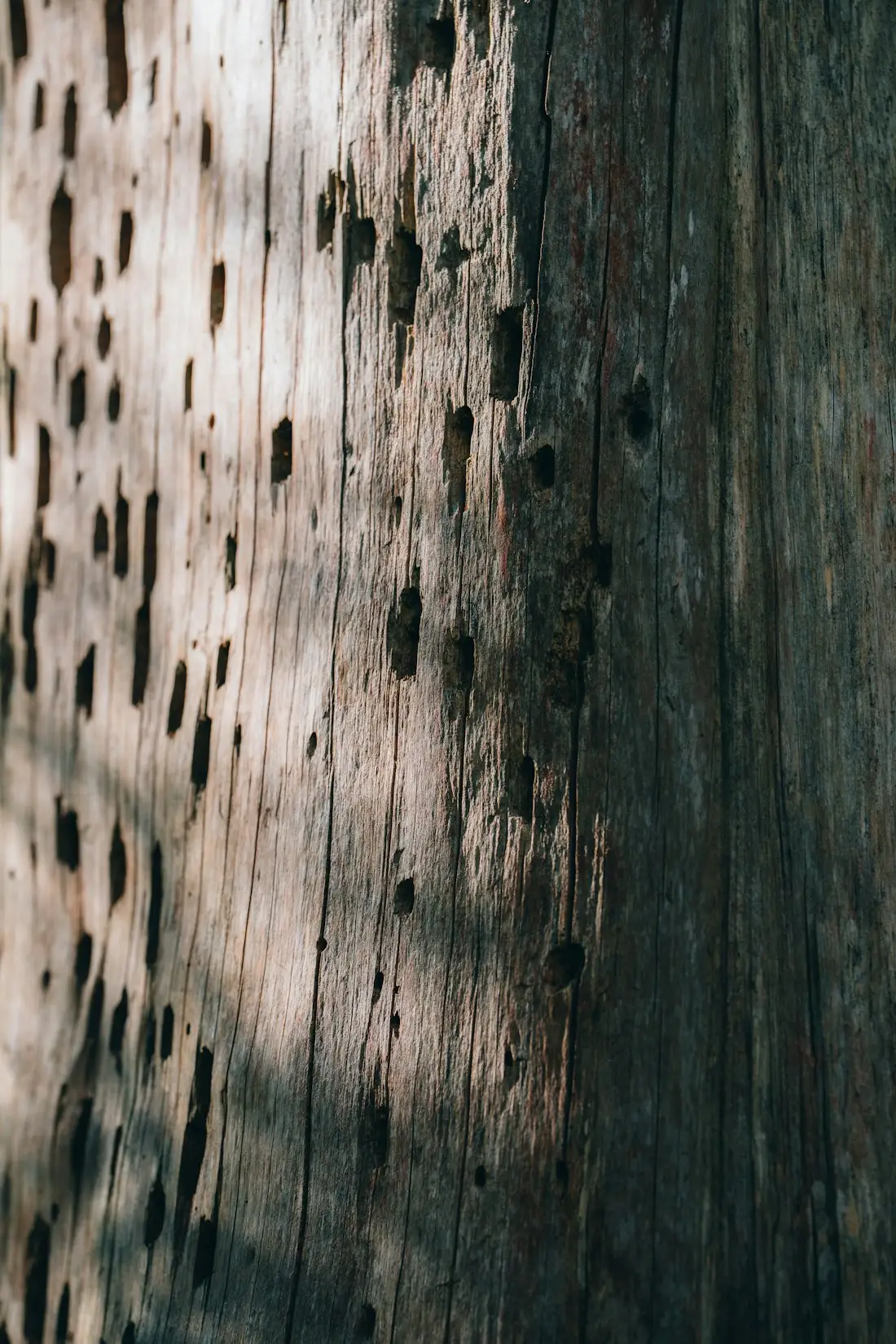
Signs it might come back
- Most of the crown still leafs out every spring.
- The dead part isn't growing year to year.
- The trunk and base are solid, with no fungus, cavities or soft wood.
- There's an obvious cause you can fix: drought, mulch piled against the trunk, soil compaction, or a pest caught early, like bagworms.
Signs it won't
- More than about half the crown is dead, or the dead part grows every year.
- Fungus, rot or a cavity at the base.
- Bark falling off the trunk in large sections.
- A disease with no cure, like pine wilt in Austrian or Scots pines.
- A new lean or cracked soil at the base.
What actually helps a struggling tree
- Deep, slow watering during dry spells. Oklahoma summers are hard on trees.
- Mulch in a wide ring, two to three inches deep, kept off the trunk.
- Removing dead wood so decay doesn't spread and limbs don't drop.
- Protecting the roots from digging, parking and new paving.
Fertilizer is rarely the answer. Most struggling trees are short on water or root space, not nutrients.
When to stop trying
If the tree can reach the house and it's declining year after year, there's a point where waiting becomes the risk. A dead tree is harder and more expensive to remove than a dying one. See how dangerous is my dead tree.
Common questions
Should I fertilize a dying tree?
Usually not as a first step. Fix water, mulch and root problems first.
How long does it take to know if a tree will recover?
Often one growing season. If it leafs out better next spring, it's recovering. If more of it is dead, it isn't.
Can you look at my tree and tell me?
Yes. That's what the tree health visit is for, and you'll get a straight answer either way.